If you’ve tried recruiting on LinkedIn in the last year, you know something’s off. Your InMails get ignored. Your job posts get flooded with unqualified applicants. LinkedIn Recruiter’s search feels increasingly like a waste of money. And somehow, despite all of it, you’re supposed to grow your team.
The truth is, the way most companies use LinkedIn for recruiting stopped working a while ago. The platform changed. Candidates changed. The playbook most recruiting teams are still running is a playbook from 2018. Here’s what’s actually working now.
The inbox is cooked
Every recruiter figured out you could message people on LinkedIn. So now every professional gets 20 messages a week, most of them recruiters who didn’t read their profile. The signal-to-noise ratio collapsed.
The result: a candidate who would’ve replied to a thoughtful message in 2018 now deletes 95% of what hits their inbox without reading. Your carefully crafted InMail is probably in that pile.
This doesn’t mean outreach is dead. It means volume outreach is dead. The messages that still work are short, specific, human, and reference something real about the person, not “I saw you work in sales.”
An SEO problem
Posting a job on LinkedIn used to feel like it at least got your role in front of qualified people. Now it gets your role in front of everyone, most of whom aren’t qualified.
A single job posting can get 500 applicants in 48 hours. Three of them are actually right for the role. Seeing through the noise takes more time than most hiring managers have, so roles sit open while good resumes drown. That drag is the first place what a bad hire actually costs your business starts compounding.
If you’re relying on job postings to fill roles, you’ve already lost. Postings should be one input among several, not the main source.
LinkedIn Recruiter is now a research tool
The paid version of LinkedIn Recruiter used to be where real sourcing happened. You could find anyone, message anyone, and build real pipelines.
Now it’s diminished. Candidates get too many messages to engage with them. Filters are less precise than they used to be. InMail response rates have fallen. And the cost keeps climbing.
What’s still valuable: using Recruiter to build lists of specific people you want to reach, then finding other ways to connect with them. Email, mutual connections, conferences, industry groups. Recruiter is a research engine, not a contact engine. This is essentially the moment when it makes sense to hire a headhunter instead of trying to grind it out on the platform.

What actually works: being visible, not loud
The real shift is from outbound recruiting to inbound trust-building.
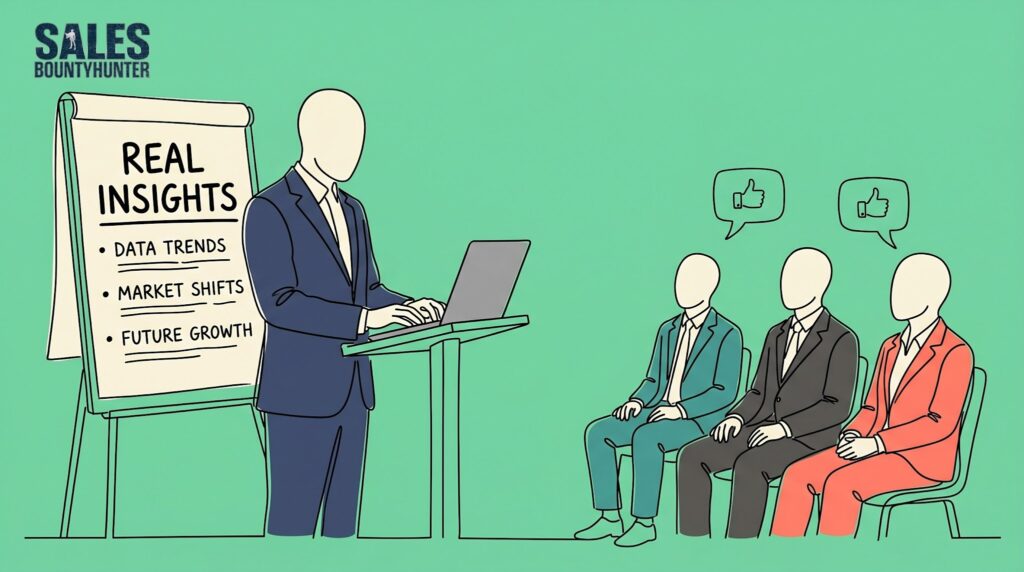
Think about who you actually want to hire. They’re not scrolling their LinkedIn inbox. They’re reading LinkedIn content from people they respect. They’re engaging with posts about their industry. They’re noticing who shows up consistently with real insights.
If you want those people to pay attention to you, you need to be one of the people showing up. Post thoughtfully about your industry. Share real hiring insights from your experience. Talk about what your company actually does and why it’s interesting. Comment on other people’s posts in a way that’s actually valuable.
Over time, this builds a real audience. People who trust your perspective. And when you post about a role, they reply, or tag a friend who’d be perfect.
This is slower than cold outreach. It’s also much more effective.
Your current team is still your best channel
The single highest-converting recruiting source for most companies is employee referrals. Good employees know other good employees. Their networks overlap with your hiring needs in a way no LinkedIn search can match.
Make it easy for your team to refer people. Offer a meaningful referral bonus, not $500, something that reflects the actual value of a good hire. Tell them what roles you’re hiring for every month. Give them template messages they can send to their network. Celebrate referrals publicly when they work out.
Most companies underinvest in this and overinvest in LinkedIn. Flip that ratio.
Build in public
One of the most underused LinkedIn tactics is just showing what your team does. Post about your product launches. Post about your wins. Post about how your team thinks about its work.
Candidates don’t want to apply to a logo. They want to work with people whose thinking they respect. If they see your team’s work on LinkedIn and it resonates, they’ll be warmer when you reach out, or they’ll reach out first. Part of the reason is that most candidates have no idea what working with a recruiter is actually like; seeing your team act like real people on LinkedIn lowers that barrier.
This is how small companies with no brand recognition compete for talent. You don’t have to be Google. You have to be visible and interesting.
Use LinkedIn Events and Groups strategically
Most companies ignore LinkedIn’s community features. They’re underpriced attention.
A thoughtful event hosted by your team, something like “How mid-market law firms are solving the hiring problem” or whatever your version is, gets in front of exactly the audience you want to hire from. Not for pitching, for giving value. The people who show up tend to remember you when they or someone they know is looking for a new role.
Same with Groups. The right industry group on LinkedIn can be a warm sourcing channel that no competitor is working.
Accept that it takes longer now
The underlying reality: recruiting is harder than it was. It takes more work to reach good people, more work to convince them to consider you, more work to close them once they’re in your process.
Companies that accept this and invest in the real work of recruiting (content, relationships, referrals, real outreach) are still hiring well. Companies that keep expecting LinkedIn to do the work for them are stuck.
When to bring in outside help
If you have hiring needs but lack the in-house bandwidth to build this real approach, that’s when firms like ours come in. We do the outbound work, the research, and the relationship-building across sales and legal roles. We have the networks that take years to build. If your hiring is stuck and you want to talk through what’s going on, we’re happy to have that conversation, and honest with you about whether what we do will actually help.